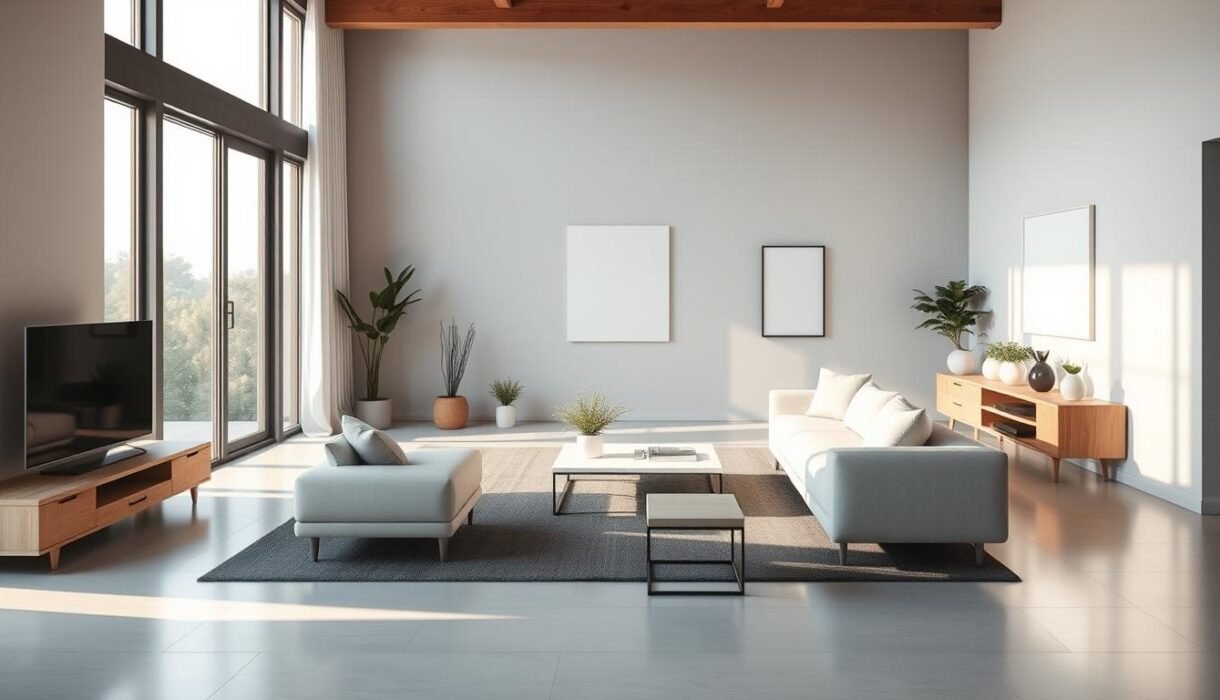

I remember standing in the middle of my living room, feeling completely overwhelmed. Every surface was covered, and every drawer was stuffed. My house was full of things, but my home felt empty. I craved a sense of peace, a space where I could truly breathe.
That’s when I discovered a new approach to my living space. It wasn’t about getting rid of everything I loved. Instead, it was about making intentional choices. I learned that a beautiful home comes from selecting pieces that serve a purpose and bring joy. This journey transformed not just my apartment, but my entire mindset.
I’m so excited to share the exact shopping list that guided my transformation. This guide will walk you through the essential items that helped me create a serene and functional environment. I’ve broken everything down into simple, manageable categories to make your own journey easier.
Key Takeaways
- Creating a calming space is about intentionality, not deprivation.
- A well-curated shopping list makes the design process manageable.
- Every item in your home should serve a purpose or bring joy.
- This guide provides a clear path for starting from scratch or refining your current space.
- The goal is to build a cohesive and clutter-free living environment.
- Understanding the “why” behind each choice is as important as the “what”.
Discovering the World of Minimalist Design
My journey into a new way of living began with a simple question: why did my home feel so chaotic despite being full of things? This curiosity led me to explore the principles of minimalist design. I quickly learned it was more than an aesthetic; it was a thoughtful philosophy.
Understanding Minimalism in Home Design
I discovered that this approach to interior design is rooted in intentional curation. It’s not about having empty rooms. It’s about ensuring every item has a purpose or brings genuine joy. This focus on essentials creates a foundation of simplicity for your entire living space.
Benefits of a Clutter-Free Lifestyle
Embracing this philosophy brought immediate rewards. The calm created by clean lines and neutral palettes reduced my daily stress. My mental clarity improved dramatically in the serene environment.
The practical advantages were just as powerful. My home became easier to clean and maintain. This freed up my time and energy for people and activities I truly value. I also felt good knowing my choices were more environmentally responsible.
- Enhanced mental clarity and reduced stress.
- More free time from easier home maintenance.
- A personally meaningful and joyful living space.
- Environmentally conscious consumption habits.

Click Here for the Ultimate Amazon Finds
Key Principles of Minimalist Interior Design
My breakthrough moment arrived when I stopped asking ‘what else can I add?’ and started asking ‘what can I remove?’ This shift in thinking became the foundation of my entire approach to creating a peaceful home.
The “Less Is More” Philosophy
I built my entire design strategy around this powerful principle. It meant carefully evaluating every item in my space. Only pieces that served a clear purpose or brought genuine joy earned their place.
The philosophy taught me that true simplicity comes from thoughtful curation. Each choice needed to contribute meaningfully to my home’s overall aesthetic. This intentional approach created spaces that felt both functional and beautiful.
I learned to prioritize functionality above all else. Every furniture piece and decorative element had to work hard. They needed to be practical for daily life while maintaining visual harmony.
Embracing this mindset freed me from the pressure of constant accumulation. Instead, I invested in fewer, higher-quality pieces that truly enhanced my living environment. The result was a home that felt spacious, calming, and intentionally designed.
Essential Elements for a Serene, Stylish Home
The most transformative step in my home makeover was focusing on the foundational elements that create a sense of calm. These core principles became the building blocks for my entire design.
Clean Lines and Open Spaces
I prioritized furniture and decor with straight, geometric shapes. This emphasis on clean lines brought an immediate feeling of order and sophistication to every room.
Just as important was leaving ample open space. I learned that the areas without furniture were just as valuable as the pieces themselves. This breathing room made my home feel expansive and intentional.
Neutral Color Palettes and Natural Light
Selecting the right colors was crucial. I built my entire color palette around soft whites, warm grays, and earthy tones. This neutral color scheme created a versatile and tranquil backdrop.
I then worked to maximize natural light. Large windows and sheer curtains allowed sunshine to flood the space. This abundance of light made rooms feel larger and more connected to the outdoors, enhancing the serene atmosphere.
Together, these essential elements formed a peaceful foundation. My home finally felt like the stylish sanctuary I had always wanted.
Transforming Your Living Room into a Minimalist Haven
Applying these principles to my main gathering space transformed how I experienced daily life at home. This central area became my personal sanctuary where form met function beautifully.
Styling Tips for a Minimalist Living Room
I began with comfortable seating that encouraged relaxation. Each piece served a purpose without dominating the room. Good lighting created both ambiance and functionality throughout the space.
Window treatments provided privacy while controlling temperature. I selected a versatile coffee table that maintained clean lines. Built-in storage like bookshelves kept essentials organized yet hidden.
Strategic decor choices made all the difference. Simple wall art added personality without clutter. Plants brought natural texture and improved air quality in my living area.
A well-chosen rug defined the seating area beautifully. It added warmth underfoot while preserving the open aesthetic. This approach proved that minimalist living balances comfort with simplicity perfectly.
My transformed living room became a true haven. It demonstrated how intentional choices create spaces that feel both serene and personal. The result was a room I genuinely loved spending time in every day.
Click Here for the Ultimate Amazon Finds
Curating Furniture to Define Your Minimalist Space
The process of choosing furniture taught me more about design than any book or tutorial. I discovered that each piece sets the tone for the entire room. Selecting the right furniture became absolutely critical for establishing my desired look.
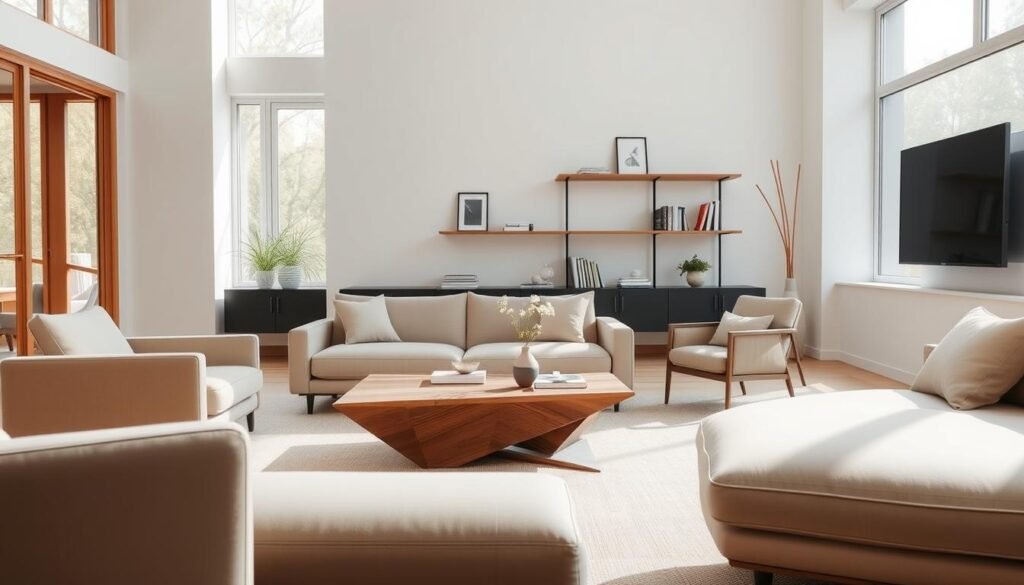
Every furniture choice needed to contribute meaningfully to the overall aesthetic. I learned that quality pieces with thoughtful design can define your entire space. This approach created a cohesive environment where each item served a purpose.
Exploring Iconic Pieces like the NARA Sofa and Grant Sectional
The NARA Sofa quickly became one of my favorite discoveries. Its sleek lines and low-profile silhouette perfectly embodied the clean aesthetic I wanted. Crafted with premium materials, it offered both comfort and sophistication without dominating the space.
When I explored the Grant Sectional, I found it redefined contemporary elegance. The modular construction allowed me to customize the layout to fit my exact requirements. Plush cushions proved that this approach to living doesn’t mean sacrificing comfort.
These iconic furniture pieces with clean lines provided ample seating while optimizing space. They showed me how strategic furniture selection makes a living room both beautiful and practical. Investing in well-designed pieces created a space where form and function harmonize beautifully.
Showcasing Minimalist Decor and Strategic Accessories
Accessorizing my space became the final, crucial step in completing my home transformation. I discovered that showcasing minimalist decor was about strategic selection rather than accumulation.
My approach to decor included simple wall art that added personality without overwhelming the clean aesthetic. I incorporated cushions and throws as versatile items that brought texture and warmth.
Mirrors became strategic accessories in my living room, reflecting light and creating space illusions. Planters with carefully chosen greenery brought natural elements into the minimalist living room.
Decorative objects like vases and bowls served dual purposes as functional art pieces. Candleholders and simple tableware added warmth without creating clutter.
Through this process, I learned that each decor item must earn its place. The right items enhance rather than dominate the space. This strategic approach to minimalist decor perfected my living room‘s overall style and aesthetic.
Minimalist Interior Design in Hospitality Settings
I found unexpected inspiration for my home in the most unlikely places – luxury hotels. Studying how hospitality spaces create tranquil retreats revealed design principles that transformed my approach to residential living.
Creating Clutter-Free Reception Areas
Walking into hotel lobbies taught me the power of first impressions. Maintaining clear spaces with neutral color palettes establishes an immediate sense of calm. This approach makes any room feel sophisticated and welcoming.
I learned to incorporate natural elements like wood and plants for warmth. These touches add visual interest without compromising the clutter-free aesthetic. The result is a space that feels both serene and intentionally designed.
Functional Furnishings for Dynamic Spaces
Hotels showed me how furniture must serve multiple purposes in active spaces. Sleek, unobtrusive pieces optimize flow while providing necessary functionality. Every item earns its place through practical design.
Strategic lighting placement became crucial in my design. I noticed how hotels use illumination to enhance both ambiance and utility. This balance creates spaces that work beautifully day and night.
These hospitality principles proved wonderfully adaptable to home environments. The same sense of calm and functionality works perfectly in residential rooms. Clean lines and carefully selected furniture create atmospheres that encourage relaxation.
modern minimalist interiors – A Focus on Simplicity
The true power of simplicity revealed itself to me when I started treating my home like a carefully edited gallery. Each room became a space where only the most meaningful pieces earned their place. This mindset shift transformed my entire approach to creating a peaceful environment.
My journey taught me that simplicity isn’t about empty rooms. It’s about creating spaces that feel intentionally designed and personally meaningful. Every choice contributes to the overall harmony.
How I Achieve Simplicity Through Thoughtful Curation
I began by completely decluttering each space. I assessed every item with a critical eye, asking whether it served a purpose or brought genuine joy. This process created a clean foundation for my home design vision.
The minimalist interior approach taught me that less truly can be more. I focused on selecting only essential elements that promoted calmness. Each piece had to contribute meaningfully to the overall aesthetic.
Thoughtful curation became my guiding principle. I learned to resist adding items that would disrupt the carefully crafted simplicity. This discipline created spaces that felt both peaceful and purposeful.
Through this interior design process, I discovered that minimalist living through intentional choices creates environments that truly reflect personal values. The focus on simplicity transformed my interior from chaotic to calm.
Incorporating Natural Materials and Elements
I discovered that the most effective way to add character to my clean aesthetic was through natural materials. These organic elements brought a sense of authenticity that manufactured items couldn’t match.
Wood became my favorite material for introducing warmth. I used oak and walnut pieces that showcased beautiful grain patterns. Stone surfaces like marble and travertine added visual interest without overwhelming the space.
These natural elements worked beautifully with my neutral color scheme. They created subtle texture layers that prevented rooms from feeling sterile. The combination enhanced the natural light flowing through my windows.
Plants became essential living elements in my interior design. They connected indoor spaces with the outdoors. Sustainable materials like cork and leather added organic textures to smaller accessories.
By thoughtfully selecting these natural materials, I created an interior that felt grounded and inviting. The warmth they provided balanced the cool tones perfectly. This approach to interior design proved that nature’s elements bring essential warmth to any living environment.
Click Here for the Ultimate Amazon Finds
Lighting Strategies to Enhance Minimalist Aesthetics
I never realized how much lighting could change the entire feel of a room until I experimented with different strategies. The right illumination transformed my home from a simple space into a warm, inviting sanctuary. Lighting became the secret ingredient that brought my design vision to life.
Utilizing Ambient and Task Lighting Effectively
My approach combined two types of illumination. Ambient lighting created a soft, overall glow throughout each room. This gentle light established a welcoming sense of calm that made my space feel cozy.
Task lighting provided focused illumination exactly where I needed it. Reading lamps and kitchen lights served specific purposes without overwhelming the aesthetic. This combination proved essential for both functionality and atmosphere.
Natural light became my primary source whenever possible. I arranged furniture to maximize daylight throughout my home. This reduced my reliance on artificial lighting during daytime hours.
I carefully selected different lamp styles to complement my design. Floor lamps added height and visual interest. Table lamps served as both light sources and decorative elements.
Wall lamps highlighted artwork and architectural features. Ceiling fixtures provided necessary overhead illumination without dominating the space. Each lighting choice contributed to the overall interior design harmony.
Maximizing Storage Without Sacrificing Style
Maintaining the beautiful simplicity of my living space required some clever storage strategies. I discovered that maximizing storage was essential for keeping my minimalist living room organized and visually appealing.
Built-in solutions like bookshelves became my secret weapon. They kept items organized while adding architectural interest to the room. These invisible storage systems helped eliminate clutter effectively.
I carefully selected cabinets and credenzas with sleek designs. Their substantial storage capacity maintained the clean aesthetic I loved. Each piece served multiple purposes while preserving visual harmony.
Smaller solutions proved equally important. Drawers and organizers provided designated spaces for every item. Hooks and coat stands kept daily essentials accessible without creating visual chaos.
Through strategic planning, I created a welcoming living room where everything had its place. This approach demonstrated that storage and style can coexist beautifully. The result was a space that combined functionality with elegant simplicity.
Selecting the Perfect Minimalist Coffee Table and Accessories
Choosing the right coffee table felt like finding the centerpiece that would anchor my entire living space. This central furniture piece truly sets the tone for the whole room. I discovered it was one of the most important decisions in creating my ideal look.
My search focused on pieces that balanced functionality with sculptural beauty. I wanted items that served practical purposes while acting as focal points. The coffee table needed to work hard without dominating the space.
I explored options like the Ame III collections, appreciating how different materials changed the same design. Lacquer versus steel created completely different feels for the same table. Natural wood options like the Shear 02 Walnut Wood Side Table added warmth while maintaining clean lines.
Unique pieces like the Kanyon Oval Coffee Table with marble top proved that simple furniture can make bold statements. The circular Droplet table showed me how shape impacts the room’s flow. Each piece taught me something new about design possibilities.
I carefully selected accessories that enhanced rather than cluttered the surface. A simple vase or meaningful book added personality without chaos. Through this process, I created a functional centerpiece that serves daily needs while contributing to my cohesive vision.
Designing Versatile Spaces with Multi-Functional Furniture
I discovered that the real magic happened when my furniture started working double-duty. This approach transformed how I used every room in my home. Multi-purpose pieces became the secret to maintaining clean, adaptable spaces.
My selection process focused on finding furniture that served multiple needs. Each piece had to offer strong functionality while fitting my aesthetic vision. This careful curation made my living areas more practical and beautiful.
Innovative Ideas for Flexible Living Areas
I found creative solutions that maximized space without clutter. Ottomans with hidden storage became my favorite discovery. They provided extra seating while keeping blankets and pillows neatly tucked away.
Expandable tables proved essential for entertaining guests. These versatile pieces adapted to different occasions seamlessly. The same table could serve as a compact daily surface or expand for dinner parties.
I prioritized furniture that could move between rooms as needed. Lightweight chairs and modular shelving units offered incredible flexibility. This approach taught me that good design should adapt to your lifestyle.
Through this interior design philosophy, I created living spaces that felt both intentional and free. Multi-functional furniture became the foundation of my approach to comfortable living. Each piece earned its place by serving multiple purposes beautifully.
The Role of Materials and Textures in Minimalism
What truly brought my spaces to life wasn’t the furniture arrangement, but the tactile experience of different surfaces. I learned that materials and textures play a critical role in adding depth to neutral color palettes.
The surfaces I selected created wonderful tactile variety. Smooth ceramics, textured wood, and cool metals prevented my spaces from feeling flat. Each material contributed unique character while maintaining visual harmony.
I incorporated various materials like glass, concrete, and different wood types. These elements added warmth and visual layers to my design. They worked beautifully within my clean, cohesive color palette.
Geometric shapes in my material choices added subtle interest. Terrazzo patterns and natural wood grain created movement on surfaces. These details enhanced the aesthetic without overwhelming it.
Mixing materials like brass with natural wood created dynamic contrasts. Textiles in cotton and wool added softness to balance harder surfaces. This combination made spaces feel inviting rather than cold.
The neutral color palette I maintained allowed natural textures to shine. Wood grain, marble veining, and metal patina became the stars. Through thoughtful selection, I created rich, layered spaces that proved great design is about intentional presence.
Click Here for the Ultimate Amazon Finds
StyleNations Hospitality Furniture: Embracing Minimalist Elegance
When I began researching furniture specifically designed for commercial spaces, I discovered StyleNations Hospitality. Their collection immediately stood out for its thoughtful approach to creating serene environments.
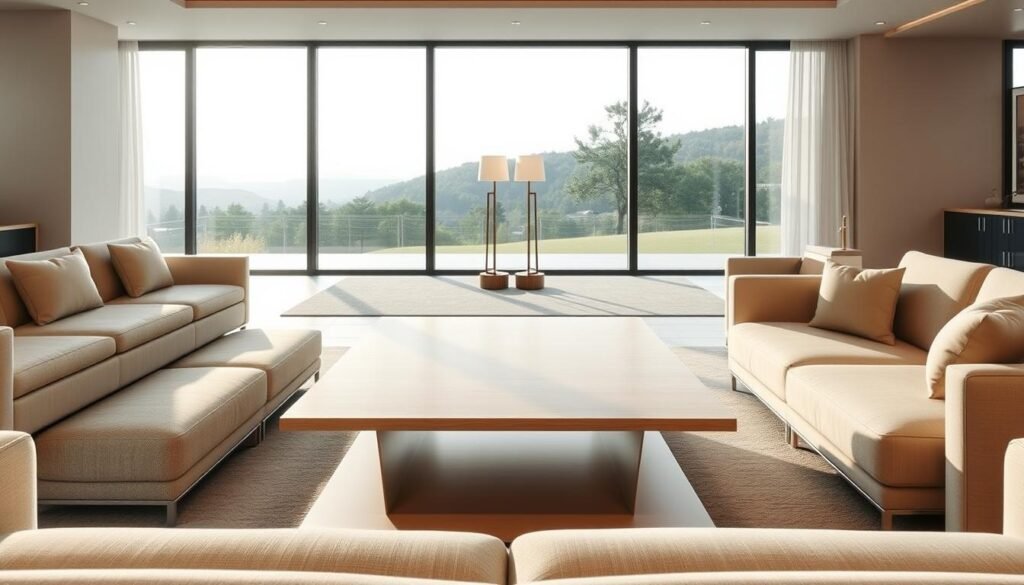
Highlighting Unique Pieces and Quality Craftsmanship
The furniture impressed me with its clean lines and functional forms. Each piece served a clear purpose while maintaining visual harmony. This approach to design prioritizes quality over quantity.
I appreciated how their collection integrates neutral color palettes seamlessly. The understated aesthetic creates an atmosphere of calm sophistication. This philosophy aligns perfectly with creating peaceful spaces.
What truly stood out was the exceptional craftsmanship. From precise joinery to carefully selected materials, every detail showed dedication to durability and beauty. The furniture pieces felt both sturdy and elegant.
Their modular seating options and multifunctional tables demonstrate smart design thinking. These solutions maximize space efficiency without compromising style. The balance between practicality and elegance is remarkable.
StyleNations’ commitment to timeless design convinced me their furniture offers lasting value. The pieces work beautifully within various interior settings. This approach to creating furniture achieves a perfect harmony of form and function.
Conclusion
Looking back at the journey, I realize the most profound change wasn’t in my home’s appearance, but in how I feel within it. This approach to minimalist interior design became a lifestyle that reshaped my daily living experience.
I learned that true minimalism is about thoughtful choices, not empty rooms. My home now supports my life with calm and purpose. Every piece in my interior serves a function or brings genuine joy.
This interior design philosophy brought a harmonious balance I never thought possible. The design principles I followed created a space that is both beautiful and completely functional. My minimalist interior is finally a true sanctuary.
The journey taught me that great design simplifies life. My home is now an inviting retreat that reflects my values. This minimalist interior design approach truly transformed how I experience my space every day.